

Blockchain technology has attracted global attention as the most revolutionary technology since the Internet. Instead of the traditional, highly secure, centrally managed databases, it combines multiple servers (nodes) on a network with technologies such as digital signatures and hash functions to create a relatively inexpensive and secure database. It is expected to be used in a variety of fields, including finance. Recently, blockchain technology, a form of distributed processing, has been attracting attention as an ideal solution for securely storing data. However, blockchain technology has not yet been widely adopted, particularly in the financial sector.
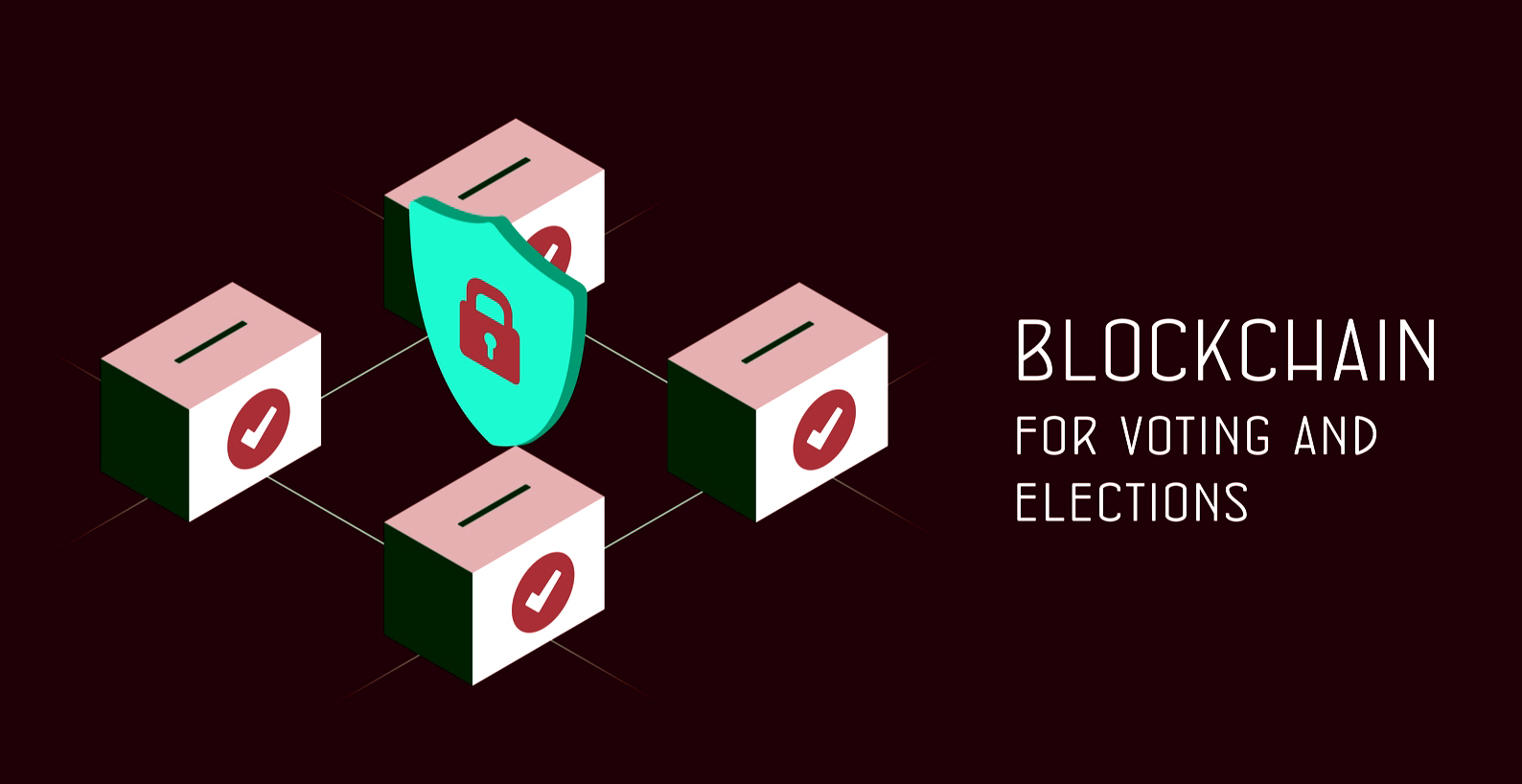
Electronic voting offers many benefits, including easier vote counting and increased voter turnout, and much research is currently being conducted on it. However, one of the problems with electronic voting systems is the risk of voter fraud. Because votes are treated as data, voters can easily commit fraud, raising the risk of vote rewriting or inflating votes by duplicating them. As a solution, a voting method using blockchain, a technology used in cryptocurrency, has been proposed.
Table of Contents
This time, we will introduce an example of the application of blockchain technology in “voting,” which has many use cases not only in politics but also in business. In 2018, Tsukuba City attracted attention by becoming the first local government to adopt blockchain technology for voting. This was not for voting in an election, but for a support project, but it attracted the attention of many cities and towns as a way to break USA’s current low voter turnout rate. It has the potential to become an indispensable foundation for voting in the future.
Blockchain can meet these three requirements.
However, this use of blockchain is not limited to politics; it has the potential to be developed into a wide range of businesses. The range of practical applications is endless, including voting for idols, surveys for in-house products, collecting and disclosing statistical information to get an overview of the entire industry, and ensuring transparency of posted information in online communities that rate and review restaurant guides, movie information, and more.
The introduction of blockchain makes it possible to build highly reliable communities and disseminate information.
Services in which a specific operator selects and rejects information and makes decisions are called centralized services, while services in which the quality and transparency of information increase as a result of the gathering of many people (users) are called decentralized decentralized. In recent years, these decentralized services and platforms have begun to attract attention around the world, but it’s not just users who benefit from this type of blockchain utilization.
From the perspective of business managers who need to continue growing their businesses, the introduction and operation of decentralized services not only ensures transparency but also reduces human costs. Blockchain can be used for both centralized and decentralized purposes, and it is even possible to combine the two to provide a hybrid platform that combines the best of both worlds.

To ensure transparency, blockchain allows public access to data, which poses a challenge to internet voting in terms of confidentiality of votes. In this paper, we propose a method of internet voting that addresses the challenges of blockchain-based internet voting by using a centralized server to conceal votes from voters while leveraging the blockchain's unique features to ensure transparency. Smart contracts are a method of running programs on a blockchain, making it possible to develop applications that take advantage of the blockchain's characteristics. For example, financial transactions are recorded on the blockchain, enabling more secure transactions. A representative platform is Ethereum. Ethereum is currently the mainstream platform for developing decentralized applications (Dapps), and we will use Ethereum in this article.
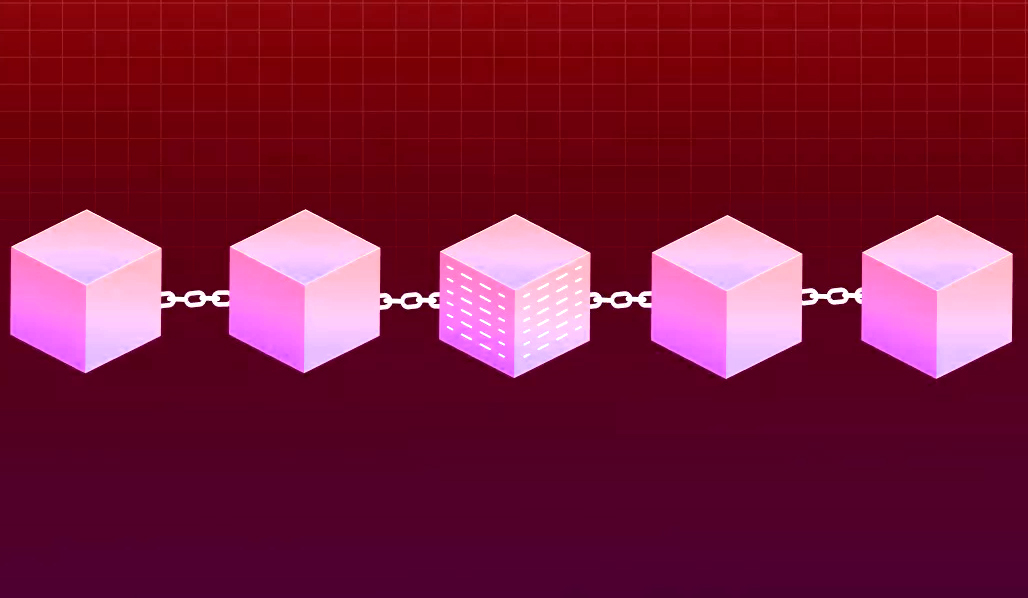
Blockchain is a distributed ledger technology that allows only appending data and makes data tampering and deletion impossible by storing it in a decentralized manner. Smart contracts are a method of running programs on a blockchain, making it possible to develop applications that take advantage of the blockchain’s characteristics. For example, financial transactions are recorded on the blockchain, enabling more secure transactions. A representative platform is Ethereum. Ethereum is currently the mainstream platform for developing decentralized applications (dApps), and we will use Ethereum in this article. On the other hand, as its name suggests, blockchain technology aggregates a certain number of transaction data and other messages to form blocks, then generates an irreversible hash for each block to create a “digest.” This “digest” is then linked to subsequent blocks in a chain, preventing tampering by tampering with the data in a block, since the “digest” of the subsequent block will no longer match.

Each block added to the ledger must reference the previous block. Each block contains the hash value of the previous block, and the chain of blocks makes it impossible to tamper with.
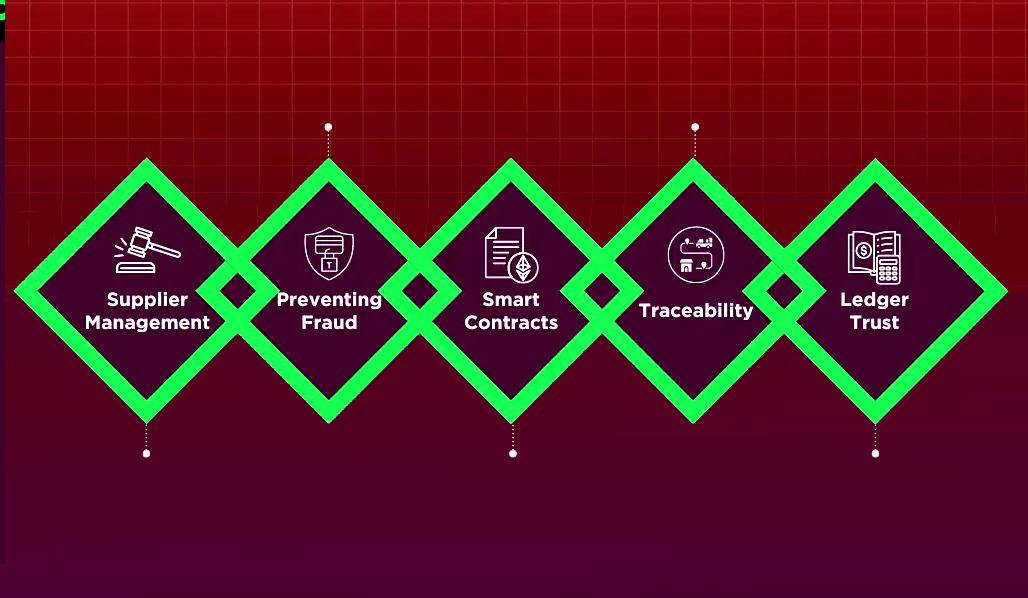
The ledger is stored in a decentralized manner and synchronized, so even if one node is destroyed, other nodes can maintain the network. Also, since anyone can join the network, open transactions are possible.
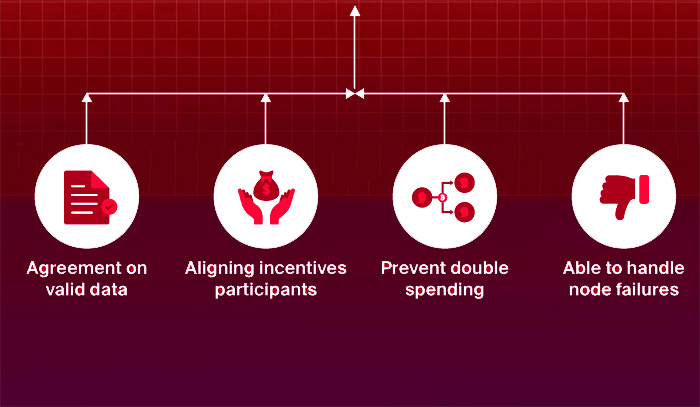
A consensus algorithm determines whether data is added to the network, and nodes must follow that algorithm when adding data. Bitcoin uses a Proof-of-Work algorithm, which maintains the network based on the financial will of network participants.
Another feature of blockchain is “smart contracts,” which allow automated data processing programs to be run on the blockchain, thereby executing procedures and agreements without human intervention. This technology is expected to have potential applications in a variety of fields, expanding the functionality of blockchain platform technology and becoming an important element that could revolutionize the way various procedures and transactions are conducted in the real world. In the USA, pilot projects and other initiatives have been conducted primarily in the financial sector. Specifically, the applicability of blockchain technology to domestic interbank transfers, international remittances, cross-border securities trading, cryptocurrency settlements, and securities post-trade operations has been explored and verified.
In the future, we will broaden our scope to consider how the fundamental features of blockchain technology, as described in Section 2, can be used to solve current challenges facing Japan. From this perspective, we will broadly explore the potential uses of blockchain technology as a platform. This sub-working group primarily focused on use cases in various fields outside of finance. Compared to public blockchains, permissioned blockchains limit participants to authorized individuals (those who can trust each other), enhancing tamper resistance and streamlining consensus building, thereby increasing processing efficiency (speed).
As can be seen from the examples above, many companies and other organizations are using blockchain’s features to improve transparency and efficiency.
There are many other fields in which blockchain is expected to be applied, including the financial industry and supply chains.
One of the most frequently discussed applications is “voting using blockchain technology.”
Some people say that “more people should be more proactive in going to the polls,” but it cannot be denied that the above-mentioned reality is in part, keeping Americans away from polling stations.
For reasons such as those mentioned above, there is a movement to introduce internet voting to make voting easier.
At first glance, online voting using smartphones seems logical.
However, cybersecurity experts say it’s more complicated than one might imagine.
While online voting is certainly expected to increase the number of voters, MIT professor Ron Rivest, a member of Verified Voting, has stated that “votes are too important to handle online.”
Cybersecurity experts point out the risk that foreign governments or other adversaries could launch attacks against technical vulnerabilities and disrupt elections.
In recent years, the technology known as blockchain has become a hot topic, but many people may not know exactly what it is. Blockchain is a technology that became famous for its use in virtual currencies and has recently been used in a variety of fields. Blockchain is a technology that originally gained fame for enabling the virtual currency Bitcoin. Most virtual currencies are designed so that users can transact directly with each other, without the need for a third party, and blockchain technology is used to record transaction histories. Today, in addition to virtual currencies, blockchain is being applied in a variety of fields, including copyright management for digital data such as music and paintings, and the automation of contract transactions.
Blockchain is a technology used to distribute transaction records across a network, prevent data tampering or destruction, and ensure accurate transactions. Each block contains an agreed-upon record of the transaction history and information that connects each block, and blocks are linked together with each transaction. Blockchain uses cryptographic techniques such as hashing and digital signatures to make it easy to detect data tampering. Therefore, in order to tamper with a transaction, all subsequent transactions must also be tampered with, making it difficult to tamper with or destroy data.In this way, data tampering is difficult and even if tampering is attempted, it can be easily detected, making it possible to ensure high reliability. Another major feature is that transaction records are distributed across the network. Blockchain is not a centralized system managed by a specific administrator, but rather a decentralized system in which the information held by each user is constantly synchronized. This makes it possible to limit the impact on the entire system even if one part of the system stops or malfunctions.
